
Metoidioplasty is a gender-affirming surgical procedure that creates a small phallus from hormonally enlarged clitoral tissue while generally preserving sensitivity. Depending on the patient’s goals and the selected surgical technique, it may be combined with urethral lengthening, vaginectomy and scrotoplasty.
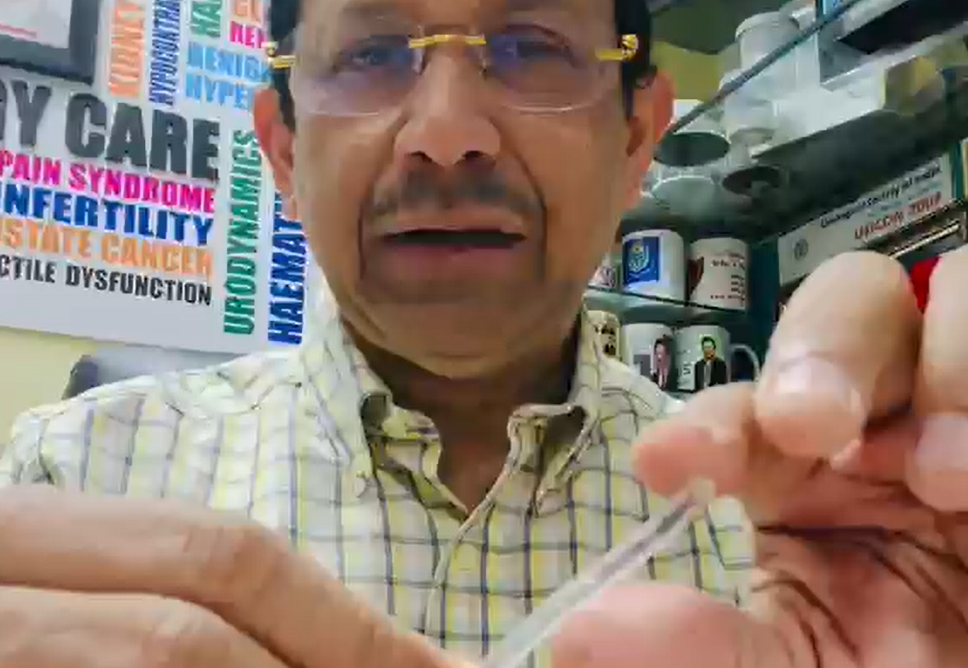
In this video, Dr Sanjay Pandey shares his experience with single-stage metoidioplasty and discusses the role of the ZSI 100 D4, a malleable implant developed specifically for this procedure.
Dr Pandey presents his approach to single-stage metoidioplasty, which may combine several surgical steps during the same procedure. These can include releasing the hormonally enlarged clitoral tissue, creating the neophallus, reconstructing and lengthening the urethra, performing a vaginectomy and creating a scrotum.
When urethral reconstruction is performed successfully, it may allow the patient to urinate while standing. This urinary function primarily results from urethral lengthening and reconstruction rather than from the implant alone.
The ZSI 100 D4 is a small, semi-rigid and malleable implant specifically designed for metoidioplasty. It consists of two silicone cylinders placed within the corporal tissue of the neophallus.
Its main purpose is to provide structural support and firmness while helping to reduce the risk of postoperative shortening or tissue retraction. Its dimensions and design differ from penile implants intended for cisgender men or from prostheses developed for phalloplasty.
In the interview, Dr Pandey explains how the ZSI 100 D4 can support the anatomical result obtained during surgery. He discusses its potential contribution to:
Individual outcomes can vary. The ability to urinate while standing depends primarily on the surgical reconstruction of the urethra and cannot be guaranteed by the implant itself.
Metoidioplasty and phalloplasty are two different approaches to genital gender-affirming surgery. Metoidioplasty uses existing hormonally enlarged clitoral tissue to create a smaller phallus, generally preserving natural sensitivity. Phalloplasty creates a larger phallus using a tissue flap taken from another area of the body.
The appropriate procedure depends on each person’s anatomy, expectations, priorities and medical situation. These options must be discussed with an experienced multidisciplinary surgical team.
Watch the complete video to hear Dr Sanjay Pandey discuss his experience with metoidioplasty, urethral reconstruction and implantation of the ZSI 100 D4.
This article and video are provided for professional and educational information only. They do not constitute medical advice, a recommendation for surgery or a guarantee of clinical or functional results. The indications, potential benefits, limitations and risks of any procedure or medical device must be assessed individually by qualified healthcare professionals.
